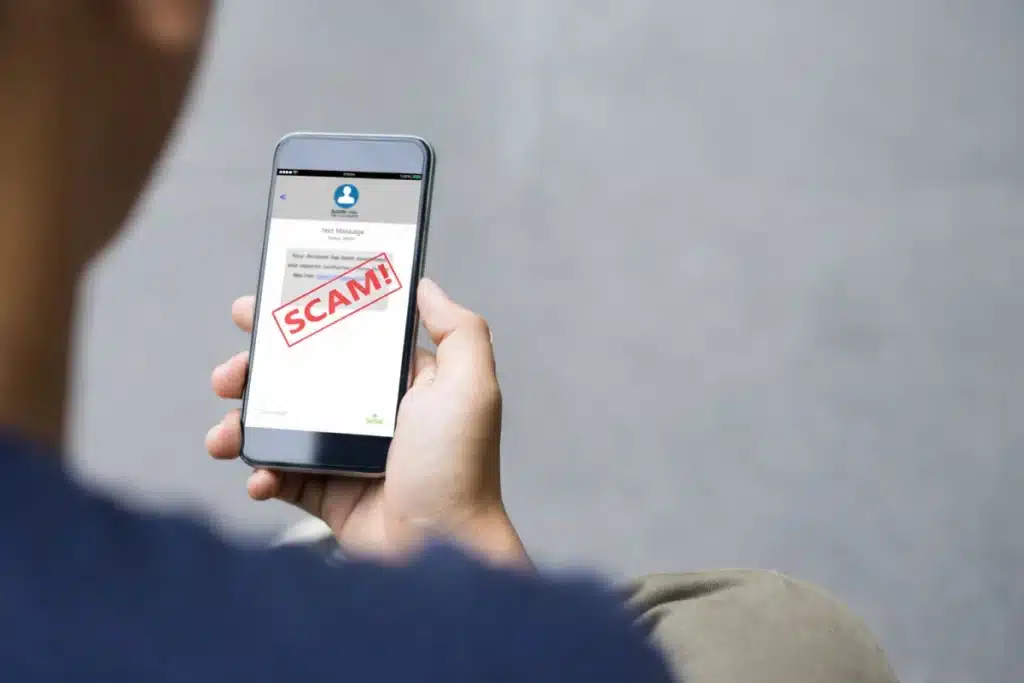
A simple text message should not put a family at risk. Yet today, that is exactly what is happening across the world. The rise in SMS scams has become a growing concern, especially on devices that teenagers use frequently. What looks harmless on the surface often carries hidden intent. And that is where the real danger begins.
Studies suggest that text messages have higher open rates compared to emails, which makes them an effective channel for scam attempts.
What makes this worse is how advanced these attacks have become. Modern SMS scam messages cannot be spotted easily nowadays.
- They look clean, relevant and often urgent.
- They are designed to trigger quick reactions.
Experts report that mobile phishing attempts are increasing as attackers adapt to user behavior. This is because text-based attacks outperform emails due to higher open rates. That is exactly why attackers continue to double down on this channel.
Teenagers are simply operating in a system that moves faster than caution, where speed often overrides verification.
The real scale of the problem
Across multiple global studies, text messages are opened within minutes. This increases the chances of users interacting without verifying the source. This is because such messages are structured, tested and optimized to drive action.
This behavior fuels the rapid growth of SMS scams, making them one of the most effective digital attack methods today. These are not random attempts. Attackers craft SMS scam messages to look routine:
- Alerts that mimic financial notifications
- Messages that appear like delivery updates
- Links disguised as account verification steps
What these scams actually look like
To understand the risk, you need to see it clearly. Real scam text message examples rarely look dangerous. They look familiar.
Every line is crafted to create urgency. Every word is designed to reduce hesitation. Many scam text message examples follow a similar pattern where urgency comes before verification. Examples seen globally include:
- “Unusual activity detected. Confirm your details now.”
- “Delivery pending. Update the address to avoid return.”
- “You are eligible for a reward. Claim within minutes.”
- “Payment failed. Retry to continue services.”
Why awareness alone is failing
Most families are aware of SMS scams. Conversations have already happened. Warnings have already been shared. However, incidents still occur because scam methods continue to evolve rapidly.
Even when someone knows how to identify scam text messages, real-life situations can affect decision-making. Like, a busy moment, a late-night alert or a message that looks familiar can easily bypass caution. That single moment is enough for damage to begin.
The hidden cost for families
The impact of falling for SMS scam messages is beyond financial losses. It affects trust, privacy and even your child’s emotional well-being. Consequences often include:
- Compromised accounts and stolen credentials
- Unauthorized financial activity
- Exposure of personal conversations
- Long-term vulnerability to repeat attacks
Many scam messages are designed to appear normal until the user takes action.
Why teenagers are a key target

While learning how to identify scam text messages is important, it cannot eliminate risk entirely. Both technology and scam tactics continue to evolve quickly.
Post COVID-19 lockdown, teenagers are now emotionally connected to their devices. Messaging is constant and responses are quick. This makes them a natural target for SMS scams, not because of behavior, but because of exposure. They deal with:
- Continuous notifications
- Frequent link-based interactions
- High trust in familiar message formats
What real protection should look like
As threats become faster, protective measures also need to be more proactive. Many parents explore monitoring tools to stay informed about message activity.
Such tools, like TiSPY, can help improve visibility and awareness when used responsibly.
Our key capabilities include:
- Real-time detection of suspicious message patterns
- Automatic scanning of links before user interaction
- Immediate alerts for risky behavior
- Silent, continuous monitoring in the background
This approach helps parents move from reactive responses to proactive awareness.
Turning awareness into action
Showing real scam text message examples helps build understanding. It prepares users for what to expect. However, awareness works best when combined with practical safety steps. Combining awareness with monitoring practices can reduce the risk of falling victim.
This is about enabling safe usage. You can also explore common myths related to SMS tracking software to better understand how it works.
The role of intelligent monitoring solutions
Modern systems aim to detect patterns and improve user safety. By studying thousands of scam text message examples, intelligent systems learn patterns. And as per these patterns, they predict new attack methods. They adapt in real time. This supports users even when they may not actively detect risks themselves.
The shift from risk to control
The goal is not to create fear around messaging. It is to create control. When the right systems are in place:
- Messages are analyzed before they become threats
- Links are checked before they are opened
- Suspicious activity is flagged instantly
- This changes the entire experience of digital communication.
Final perspective where real safety begins
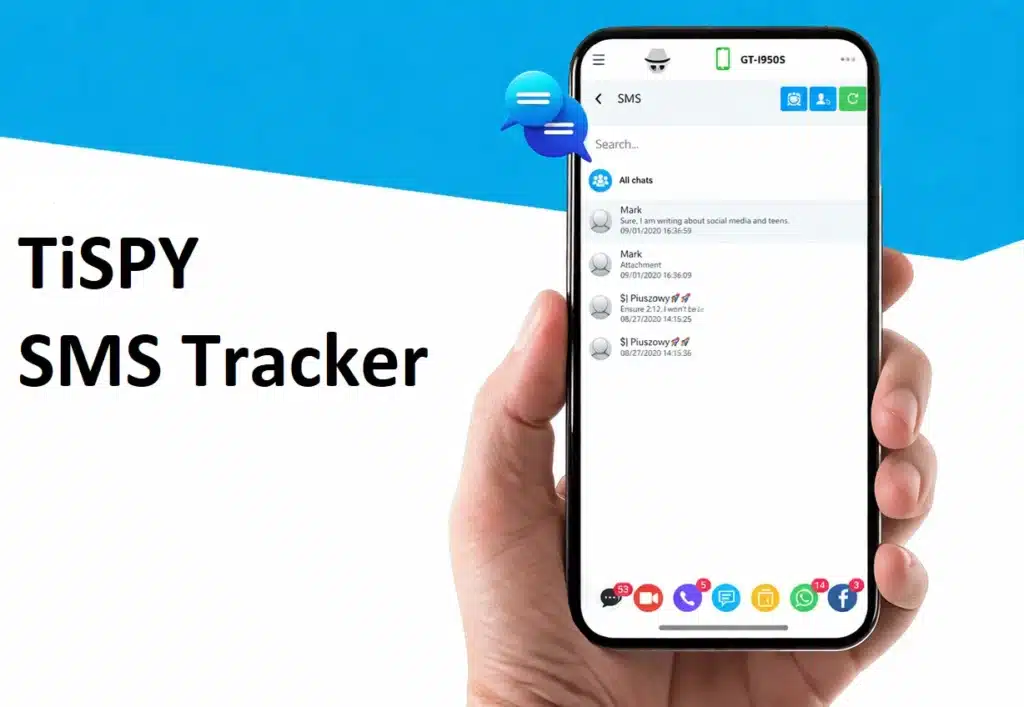
The rise of SMS scams is accelerating, not slowing down. Attackers are becoming more precise, more convincing and more difficult to detect manually. This is where solutions like TiSPY SMS Tracker create a decisive shift. It helps parents move from understanding risks to taking practical steps.
That’s why there are proven reasons parents use an SMS tracker for kids.
For families, this means peace of mind without constant supervision. For businesses, it means offering a safety-first ecosystem that builds long-term trust and authority. And for anyone serious about preventing losses, it means moving from uncertainty to control. Schedule a free call with us today to learn how this works for you.