
Parenting in the modern days is a balancing act, and the rise of digital tools in parenting brings both relief and concern. Nowadays, many families rely on tracking apps because it allows them to stay informed about their children’s routines. But the question is, are location tracking apps spying tools? This mixed curiosity and skepticism often leads parents to seek clarity.
However, instead of fear-based assumptions, parents deserve a genuine answer. They should also clearly understand what these tools actually do and how they can help to create balanced and informed decisions about digital parenting.
What Location Tracking Apps Actually Do
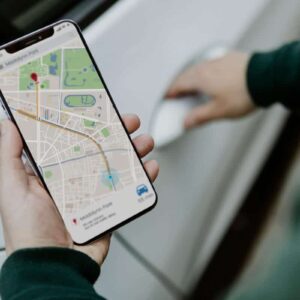
Location tracking and parental monitoring apps use GPS signals, Wi-Fi networks, and cellular towers to determine a device’s location. These technologies help parents receive real-time location updates and movement history.
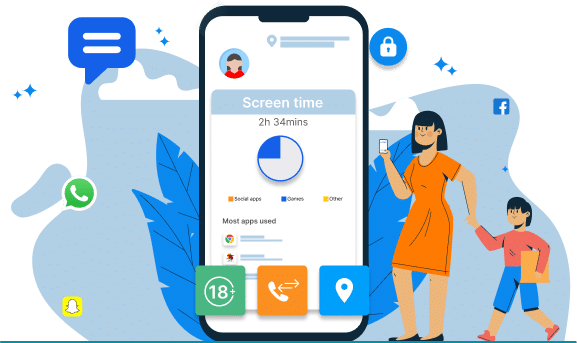
Such tools operate only after required permissions and user consent are granted on the monitored device. Based on the permissions enabled, they can monitor location data along with selected activities such as calls, messages, and social media usage. The scope of monitoring depends on the device type, operating system, and access settings.
Tools like TiSPY follow a permission-based monitoring approach, allowing parents to clearly understand what data can be accessed and manage controls responsibly. All features function within technical and legal limitations and are intended for parental supervision and child safety.
Tracking vs Spying: Understanding the Core Difference
What Is the Difference Between Tracking and Spying?
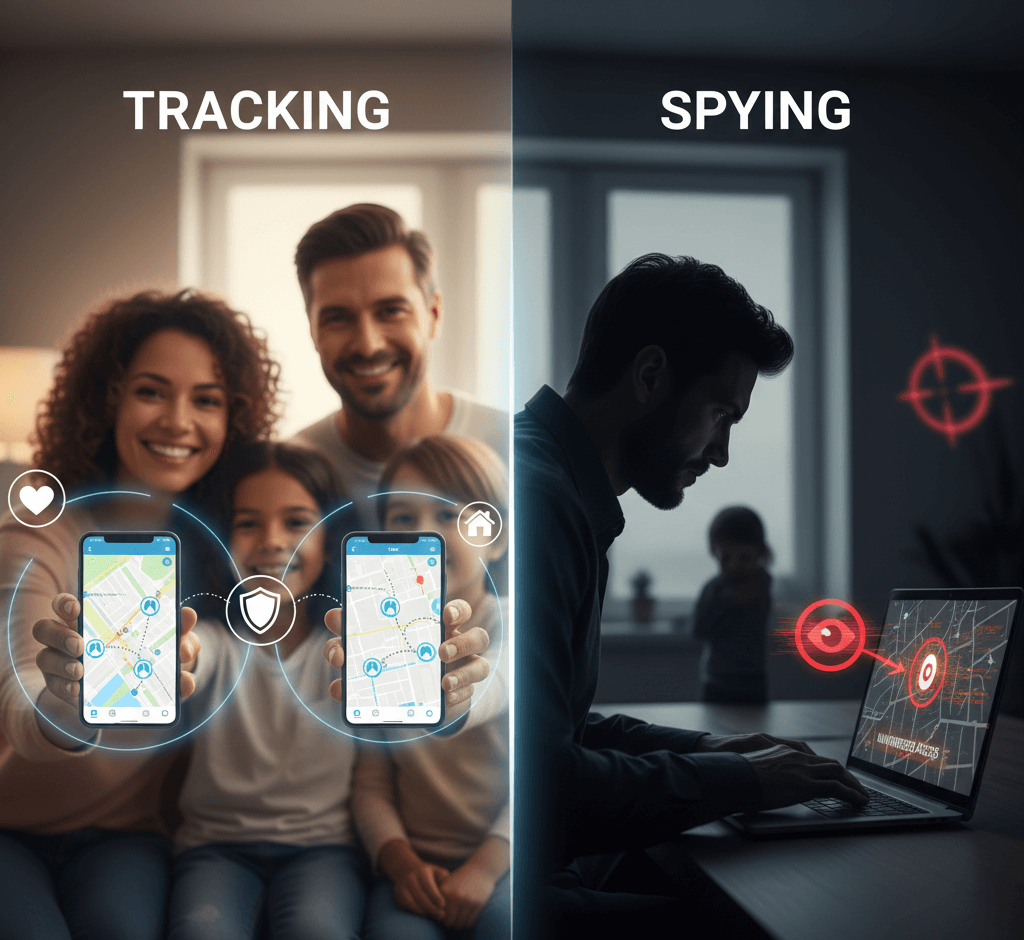
Tracking and spying are two different concepts that fundamentally differ in intention, visibility, and the level of consent required. Tracking involves using a tool with mutual agreement and for functional purposes, for example, knowing someone’s location during travel. Spying, on the other hand, occurs without authorization, and it is usually considered a manipulative act.
If you ask why parents use location tracking apps, the primary purpose is to gain functional awareness, not just monitoring. Transparency and communication are vital aspects of these tracking apps because the device owner understands what information is being collected and why. This falls under ethical tracking rather than surveillance.
Location Tracking Myths and Facts That Misguide Parents
Misconceptions often trigger hesitation around digital tools. One such common myth is “tracking equals surveillance.” In reality, tracking apps store necessary information securely and then share it only with the authorized users. Another myth is that such apps constantly record all device activity.
However, the truth is that such apps operate based on permissions that the users or account administrators actually set.
Some parents also believe that such tracking apps weaken device security. In reality, some reputable apps rely on encrypted channels and follow all the strict compliance standards. Understanding these location tracking myths and facts helps families distinguish between technological truth and myth, thus, helping them to make better and more informed choices.
Why Parents Use Location Tracking Apps Today
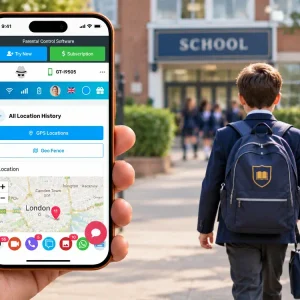
Modern lifestyles often create scenarios where families have to focus on situational awareness. Busy schedules, such as those of children who often commute to school, after-school classes, or activities, all of which require additional safety monitoring. The benefits of location tracking for families are significant, as it helps them stay informed about their child’s whereabouts without the need for constant calling.
Younger teens these days gain digital independence earlier, and this needs additional monitoring and awareness among parents to keep the kids safe. Many homes also need to track elderly family members, who may move around unpredictably. These evolving lifestyle factors also explain the benefits of location tracking apps as practical solutions and allow parents to deal with daily complexities with ease.
Benefits of Location Tracking for Families in a Connected World

The benefits of location tracking for families extend beyond providing security. Tracking helps parents to be involved in quick decision-making, particularly in emergency situations. Furthermore, having proper and real-time location data also helps parents to plan efficient pickups and adjust multiple schedules quickly.
For younger children, location visibility helps parents stay informed about daily routines, such as confirming arrival at school or safe return home. Teens also benefit, as coordination during travel or outings becomes easier. This, in turn, reduces the need for unnecessary check-ins.
Elderly family members can experience improved safety as well, especially those who may face memory challenges or occasional disorientation. Location tracking helps families stay informed, maintain clarity, reduce confusion, and strengthen communication in an increasingly connected world.
How Parents Can Use Tracking Responsibly Without Becoming Intrusive
Responsible use of tracking apps often begins with setting some clear expectations and boundaries. Parents should discuss tracking openly, explaining the reasons. When they establish some proper device rules and set time-based boundaries, it creates an assurance among kids that they are not being controlled but receiving additional security.
Regular conversations about privacy, trust, and digital responsibility also help parents to prevent misunderstandings. When used respectfully, parents can maintain awareness without getting into intrusive behavior. It helps to create a balanced approach that keeps everyone comfortable and justifies why parents use location tracking apps.
Balanced Digital Parenting Starts With Transparency
Digital parenting is most effective when built on mutual understanding. When asked, are location tracking apps spying tools? The answers remove unnecessary fear and help families to make confident choices. These tracking tools convey balanced and transparent conversations, besides ensuring that tracking supports better family safety and communication without compromising trust.